
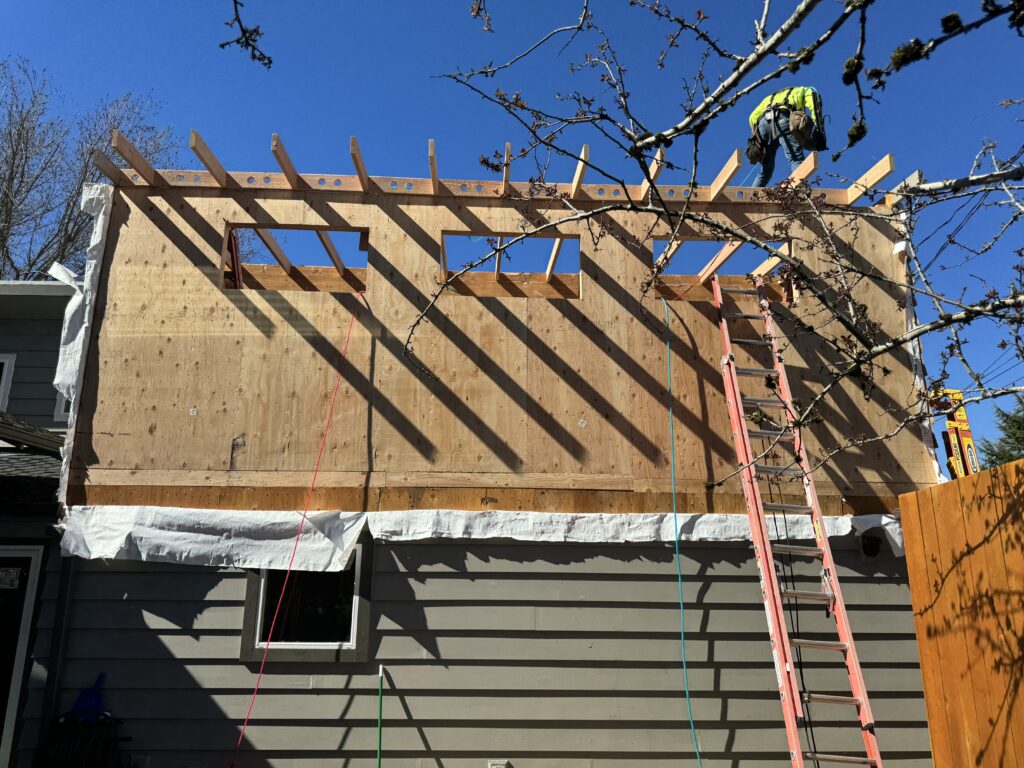
Starting a home renovation can be exciting and stressful at the same time. A clear home renovation guide can help reduce worry and build confidence in every decision. Whether the work involves new floors, updated kitchens, or full room transformations, careful preparation sets the stage for a smoother experience. This blog provides insight into what to know before beginning a project, from early planning through final inspections.
A well-thought-out approach to remodeling saves time and money. Homeowners who prepare tend to avoid surprises and make better choices about the design, materials, and professionals they hire. Planning can make the difference between a renovation project that feels overwhelming and one that feels satisfying.
Following a clear home renovation planning structure gives a sense of direction and helps keep the project on track. This guide explains essential steps that help homeowners approach renovations with confidence.
What a Successful Home Renovation Really Means
A successful home renovation is more than cosmetic improvement. Good results come from planning every phase of the project before action begins. At the core of successful work is an organized house renovation checklist that spells out tasks, timelines, and estimated costs.
A strong checklist helps track progress and spot issues early. Without one, work can drift off plan, increasing costs and stress. A checklist can range from general items that apply to the whole project to room-specific tasks such as ordering cabinets, selecting paint colors, or scheduling inspections.
Start With Clear Goals
Start by articulating what achieving success means for the renovation. Ask what needs fixing, what could improve comfort, and what upgrades increase resale value. Defining goals helps determine budget, timeline, and design choices.
A solid home renovation planning phase should include a set of written goals before any construction begins. At this stage:
- List all desired upgrades
- Set priorities for each room
- Think about long-term needs
- Consider resale value
Create a Detailed Renovation Checklist
A thorough house renovation checklist ensures no detail is forgotten. This list includes:
- Design choices
- Material selections
- Permits
- Contractor hiring
- Schedule planning
- Budget items
- Inspection dates
Set a Realistic Budget
Budgeting is one of the most critical parts of the home renovation process. Budget planning should be honest and include savings for unexpected costs. Most professionals recommend setting aside an extra percentage of the total budget for surprises that come up in almost every project.
To set a realistic budget:
- Research costs for labor and materials
- Ask for quotes from multiple suppliers
- Add an emergency buffer
- Consider phasing work if cost is an issue
Research Materials and Design
Finding quality materials that provide long-term value is key to strong results. Each room and surface serves a different purpose, and understanding the pros and cons of materials helps ensure a successful outcome. This forms part of home remodeling tips that focus on durable choices and stylish finishes.
When selecting materials:
- Ask about warranties
- Compare long-term durability
- Balance style with practicality
Know the Rules and Permits
Many renovation projects require permits from local building departments. These permits make sure all work meets safety and building codes. Failure to collect required permits can lead to fines or forced work removal later. Proper home renovation includes researching local requirements for electrical, plumbing, structural, and exterior changes.
Some jurisdictions require inspections at key stages of the home renovation process. Planning for these inspections in advance prevents work stoppages and keeps the schedule on track.
Hire the Right Professionals
Most major renovations involve skilled professionals. Hiring licensed, qualified professionals provides safety, quality, and peace of mind. If the project affects structural, electrical, or plumbing systems, professional help is often required by law.
Begin by seeking recommendations from friends and family. Online reviews and professional portfolios also offer insight into quality. Then check:
- License and insurance
- References from past clients
- Written contracts with clear terms
One common need in major renovations is skill sets provided by an experienced exterior remodeling contractor from us. These professionals help with durable exterior upgrades such as siding, roofing, and outdoor living spaces.
Prepare the Space
Before construction begins, clear and protect areas of the home that are not being remodeled. Cover furniture, seal off rooms to control dust, and plan pathways for workers and materials. Preparing the space is part of careful home renovation planning and makes day-to-day progress smoother.
Children, pets, and personal routines must also be factored into the preparation. Establishing safe zones and limiting access to work areas protects everyone during the project.
Order Materials Early
Some materials take weeks to arrive. Countertops, specialty tiles, light fixtures, and customized cabinetry often have longer lead times. Ordering materials early prevents delays in the home renovation process. Tracking deliveries and confirming arrival dates keeps the schedule running as expected.
Expect the Unexpected
Almost every renovation uncovers unseen issues. Older homes reveal electrical wiring that needs updating, rotted framing, or plumbing that must be replaced. Planning for these surprises is part of strong home remodeling tips.
By budgeting extra time and money, homeowners avoid panic when unexpected issues arise. A calm response to surprises often leads to better decisions and less stress.
Plan a Strong Timeline
A renovation can feel chaotic without a well-planned schedule. Timelines help everyone know what comes next. Work often flows in stages. For example:
- Demolition
- Structural work
- Rough electrical and plumbing
- Inspections
- Drywall and finishes
- Flooring
- Painting
- Final fixtures
Monitor Progress
Regular check-ins with the team help ensure work matches the original plan. Good communication can prevent mistakes, keep quality high, and reduce delays. Set times to review progress and ask questions if something is unclear.
Final Walk-Through
Before closing the project, walk through every renovated space. Review every detail against the renovation checklist, checking:
- Finished surfaces
- Cabinets and hardware
- Electrical outlets and switches
- Plumbing fixtures
- Flooring transitions
- Trim and paint edges
Enjoy the Results
A successful renovation brings new life and function to the home. After all the planning, decision-making, and hard work, the completed space should feel comfortable, attractive, and well-designed. The payoff for good home renovation shows in the everyday use of the updated rooms.
Conclusion
Starting a renovation without careful planning can lead to confusion, delays, and added costs. Following a clear process, using a detailed checklist, and preparing for surprises keeps the project on track. Thoughtful planning and hiring trusted professionals ensure results that are functional and attractive. Upgrading outdoor areas, such as adding vinyl fencing in Portland, enhances both beauty and value. Contact us and start your renovation with a team that knows how to build quality results from the ground up.

