
Choosing a backyard fence is more than just picking a design from a magazine. A new fence affects privacy, security, comfort, and curb appeal. The right choice makes a yard more enjoyable for family time, pets, gardens, and entertaining. With so many backyard fencing options and material features to consider, it helps to break the decision down into clear steps.
This guide walks through what matters most so you can choose the best backyard fence for your needs. From classic wood designs to low-maintenance metal options, this guide reviews the benefits and tradeoffs in plain language that help homeowners make smart decisions.
Why Choosing the Right Fence Matters?
A backyard fence does a lot more than mark property lines. It offers privacy from neighbors and passersby. It helps contain pets and children. It can soften wind, reduce noise, and add decorative charm to outdoor spaces.
Before selecting a fence type, it helps to understand common reasons homeowners add fencing:
- Create a private outdoor living space
- Protect gardens and landscaping
- Keep pets and children secure in the yard
- Add character and style to the property
- Increase property value with strong curb appeal
Key Considerations Before Choosing
Before comparing backyard fencing options, there are a few questions to consider:
- How much privacy is needed?
- Are pets or small children a priority?
- What is the budget for purchase and installation?
- How much maintenance is acceptable?
- Which materials match the home’s style?
Popular Fencing Materials and Features
Different materials offer unique benefits. Material performance often determines maintenance, cost, durability, and look. The sections below explain common choices and how they perform in real environments.
Wood Fences: Classic and Natural
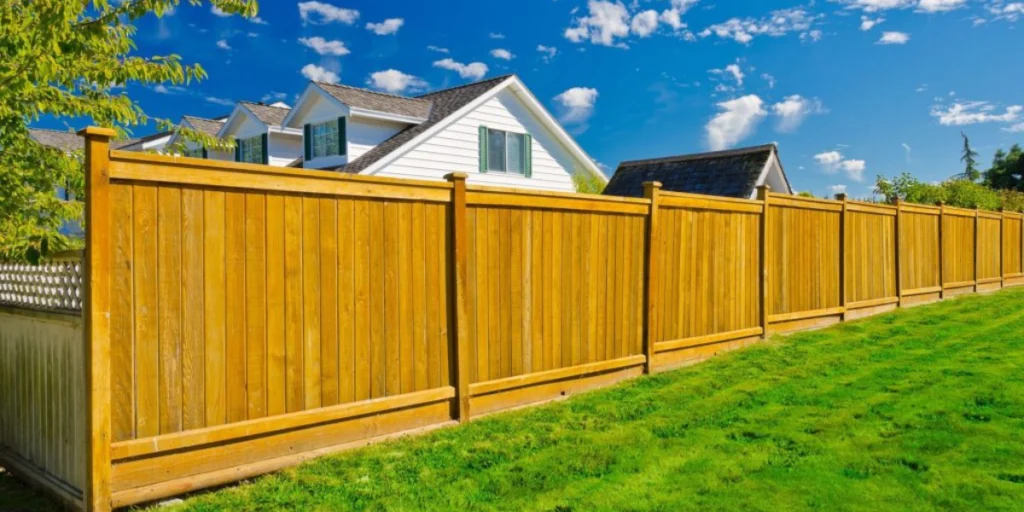
Wood fencing remains one of the most popular options for homeowners seeking a traditional look. Wood boards can be installed vertically for privacy or spaced for light and air circulation. Cedar and redwood resist rot and insects well. Here are some advantages:
- Warm, natural appearance
- Flexible for custom heights and shapes
- Can be painted or stained
Wood requires regular maintenance, such as sealing or staining, to prevent weathering. In rainy regions, pressure-treated wood resists decay better. If long-term low maintenance is a priority, wood may not be the best choice.
Vinyl Fences: Low Maintenance and Clean
Vinyl fencing is made from strong PVC plastics and often comes in white or neutral colors. It resists moisture and does not rot or warp as wood can. Vinyl boards are easy to clean with soap and water. Here is why homeowners choose vinyl:
- Very low maintenance
- No painting or staining needed
- Good resistance to moisture
Vinyl may cost more upfront than wood. It also comes in limited color options compared to painted wood. Repairs can require replacing full panels.
Metal Fences: Stylish and Long Lasting
Metal fences include options like aluminum and steel. These materials are strong, durable, and rust-resistant when properly coated. Metal fencing works well in yards where visibility and airflow are desired. Here are the benefits of metal fencing:
- Very durable and long-lasting
- Clean modern look
- Low maintenance with proper coating
Metal fences usually offer less privacy than solid wood or vinyl. Adding decorative inserts or panels can increase privacy while maintaining a stylish look.
Chain Link Fences: Practical and Affordable
Chain link fencing is a straightforward choice for pet containment, open visibility, and cost-effective coverage. It is made from interlocking steel wire and usually coated to prevent rust. Here are the pros of chain link:
- One of the most affordable materials
- Very durable and hard to damage
- Works well for pets and boundaries
Chain link does not offer much privacy on its own. Adding slats or landscape screening helps, but increases cost.
Privacy Fence Options
If privacy is a top priority, consider solid panel designs that block sight lines. Tall wood or vinyl panels are common privacy fence options. These fences help create quiet and comfortable backyards by cutting down views and reducing outside noise. The following are the best privacy choices:
- Vertical wood boards with overlapping edges
- Vinyl privacy panels
- Tall metal screening with attachable panels
Privacy fences work well in busy neighborhoods and near shared property lines. Local zoning rules may limit fence height, so check regulations before choosing an extra-tall design.
Durability and Weather Performance
Fence materials must stand up to weather conditions in your area. Moisture, sun exposure, wind, and temperature swings all affect performance.
Look for durable fencing materials that resist rot, rust, and fading. Vinyl and metal often outlast wood in wet climates. Cedar and redwood resist decay better than pine. Coatings on metal boost performance near salt water or snow. Strong posts and secure footing are also important. Proper installation helps fences withstand wind and shifting soil.
Maintenance and Upkeep
All fence materials require some level of care. Wood needs regular staining or sealing. Vinyl surfaces may need occasional washing. Metal may need touch-up painting or rust prevention. Homeowners who want minimal maintenance should weigh this factor carefully. Durability and long-term appearance often link back to the level of routine care.
Matching Fence Style to Your Home
Fence style is part of the overall outdoor design. Traditional picket fences complement cottage-style homes. Clean lines and sleek metal fit modern architecture. Creative designs can link yard spaces with patios, walkways, and gardens. Looking at examples in your neighborhood can help spark ideas. A well-matched fence will feel like a natural part of your home instead of an afterthought.
Professional Guidance and Installation
Choosing and installing the perfect fence can feel complex. Professional help makes the process smoother and ensures the fence performs well for years. Additionally, hiring experienced professionals helps prevent common mistakes like poor post depth, uneven spacing, and improper materials for your soil and climate. Outdoor living contractors like us specialize in designing and installing backyard fences that fit homeowner priorities.
Conclusion
Choosing the best backyard fence means matching goals with material features, style, maintenance levels, and budget. Comparing backyard fencing options gives confidence in making a decision that lasts for years. Privacy, security, or simple boundary definition all benefit from careful material and design choices, helping homeowners select the right fence for their yard.
A well-chosen fence improves comfort, enjoyment, and property value without constant worry. With professional help, good planning, and material insight, the perfect fence is an achievable project for every yard.
From privacy screening to sturdy boundary solutions and lean-to patio covers, we deliver beautiful and durable results. Contact us today to begin planning your backyard fence installation!

