
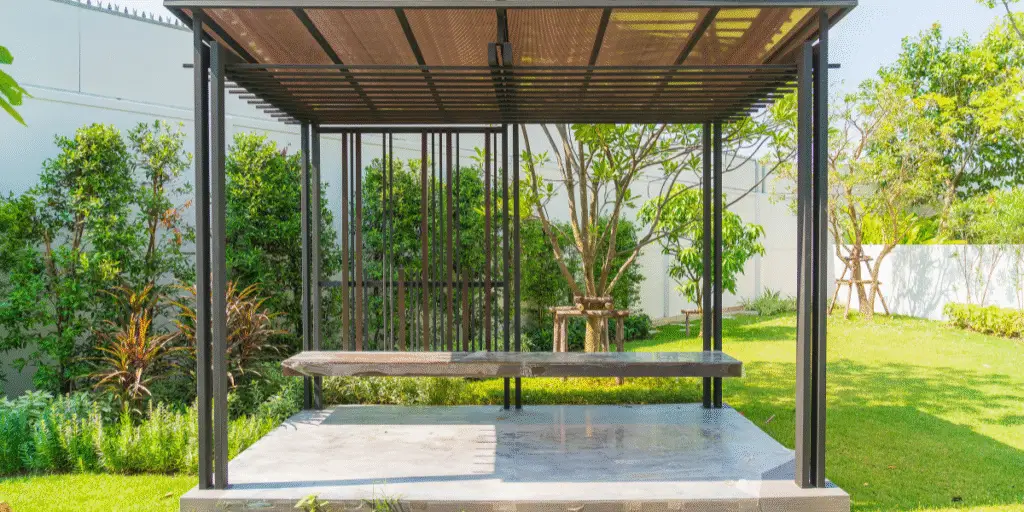
Outdoor spaces hold real value in Portland homes. A well-designed patio cover extends living space, improves comfort during unpredictable weather, and boosts property appeal. Rain, shifting sunlight, and seasonal temperature changes make smart coverage more than a luxury. The right structure offers shelter without closing off the outdoors.
Choosing the correct design requires attention to climate patterns, available space, and daily lifestyle needs. Some homeowners prioritize architectural harmony. Others focus on airflow or visual openness. The most common patio cover options include the A-Frame, flat roof, and gazebo. Each delivers unique benefits depending on how the space will be used.
This guide explores popular patio cover types in detail to help you make a confident decision that fits your home, yard, and long-term plans.
Understanding Different Patio Cover Styles
Patio covers differ in structure, visual impact, and performance. Some attach directly to the home, creating a seamless extension. Others stand alone, defining a separate outdoor zone. Roof pitch, material choice, and height all influence shade, drainage, and overall comfort.
Several factors shape the best choice. Sun exposure affects heat buildup. Rainfall patterns influence roof slope needs. Wind direction impacts coverage effectiveness. Design preferences also matter since the patio should complement the home rather than clash with it. Understanding these variables sets the foundation for choosing the right solution.
A-Frame Patio Covers
What Is an A-Frame Patio Cover?
An A-Frame patio cover has a sloped roof design where two angled sides come together at a central peak. This triangular shape mirrors many residential rooflines found throughout Portland neighborhoods. The structure typically attaches to the home, creating visual continuity.
Common materials include wood, aluminum, and composite options designed for durability. The construction style supports higher ceilings, which creates an open feeling beneath the cover. This design often feels like a natural extension of the house rather than an add-on.
Benefits of A-Frame Patio Covers
One major advantage lies in water management. The pitched roof directs rain away from the patio surface, reducing pooling issues common in flat designs. This feature proves valuable during Portland’s rainy months.
Airflow also improves due to the elevated peak. Warm air rises, helping the space feel cooler during summer afternoons. The classic appearance suits traditional homes while still pairing well with transitional architecture. Many homeowners appreciate how this structure blends function with timeless style.
Potential Drawbacks
Height requirements can pose challenges. Some properties face zoning limits or structural constraints that restrict vertical clearance. Installation complexity may also increase project timelines.
Cost presents another consideration. Compared to simpler designs, this structure often requires more materials and labor, which raises overall investment. Planning ahead helps avoid surprises during construction.
Best Use Cases
Homes with sloped roofs benefit most from this design since it mirrors existing architecture. Areas with frequent rain or occasional snowfall also see strong performance thanks to efficient drainage. Homeowners seeking a permanent, weather-ready structure often favor an A-Frame patio cover for long-term comfort.
If you are considering A-frame patio covers, connect with Sunno Construction to explore personalized solutions that fit your property.
Flat Roof Patio Covers
What Is a Flat Roof Patio Cover?
A flat roof patio cover features a low-profile design with a subtle pitch that supports water runoff. While the roof appears flat, it includes a slight slope to guide rain toward gutters. This style pairs well with modern architecture found in newer Portland builds.
The clean silhouette creates a sleek appearance without overpowering the home. Materials range from aluminum to polycarbonate panels, offering flexibility in light control.
Benefits of Flat Roof Patio Covers
This design delivers a minimalist look that feels contemporary without demanding attention. It integrates easily with existing structures, especially homes with straight lines or modern finishes.
Installation tends to be more straightforward, which often reduces costs. Homeowners also appreciate the versatility in roofing materials. Solid panels block sunlight effectively, while translucent options allow natural light to filter through. A flat roof patio cover suits homeowners seeking simplicity with reliable shade.
Potential Drawbacks
Drainage requires careful planning. Without proper slope or gutter placement, water may collect on the surface. Professional installation helps prevent this issue.
Heat buildup can also occur during warmer months if ventilation options remain limited. Adding ceiling fans or light-colored roofing materials can help manage temperature.
Best Use Cases
Contemporary homes benefit from a streamlined appearance. Properties with limited vertical space also find this design practical. Homeowners focused on budget-conscious solutions often gravitate toward flat roof structures due to lower material demands.
Gazebo Patio Covers
What Is a Gazebo?
A gazebo stands as a freestanding structure placed away from the home. Common shapes include round, square, and octagonal designs. Roof styles vary, with sloped options offering better rain handling than flat alternatives.
Unlike attached covers, gazebos create a distinct outdoor room. They often sit within gardens or open yards, offering flexibility in placement.
Benefits of Gazebos
Flexibility defines this structure. Placement options allow homeowners to choose scenic views or quiet corners of the yard. The design creates a visual focal point that improves landscaping.
Gazebos also support social gatherings. The open sides encourage airflow while maintaining shade. Many homeowners enjoy the sense of separation that turns the space into a retreat rather than an extension.
Potential Drawbacks
Space requirements present a challenge. Smaller yards may struggle to accommodate a freestanding structure without feeling crowded. Protection from wind-driven rain also remains limited compared to attached covers.
Since gazebos do not connect to the home, access during poor weather may feel less convenient. Planning pathways or nearby seating areas helps improve usability.
Best Use Cases
Large backyards provide ideal settings for gazebos. Homeowners seeking a dedicated outdoor dining or relaxation zone often choose this option. The comparison of gazebo vs patio cover usually comes down to attachment preference and yard size.
Important Factors to Evaluate When Selecting a Patio Cover
- Climate plays a major role in Portland. Frequent rain calls for effective drainage. Seasonal sun patterns influence shade needs throughout the day. Observing how sunlight moves across the patio helps determine coverage placement.
- Available space also matters. Attached covers rely on structural support from the home, while freestanding options need sufficient yard area. Budget planning should account for materials, installation, and future maintenance.
- Design compatibility guarantees the patio cover boosts curb appeal. The structure should feel intentional rather than forced. Intended use guides final decisions. Dining spaces benefit from solid coverage, while lounging areas may favor openness.
Conclusion
Choosing the right patio cover shapes how you experience outdoor living in Portland. A-Frame designs deliver classic appeal with strong weather performance. Flat roof structures suit modern homes seeking simplicity. Gazebos create defined retreats within spacious yards. Assess your climate exposure, available space, and lifestyle needs before deciding. Thoughtful planning leads to a structure that improves comfort throughout the year. Consulting a professional helps translate ideas into a functional design that fits your home.
Sunno Construction offers an experienced outdoor living contractor who can create custom patio solutions that improve both the style and functionality of your outdoor area.

