
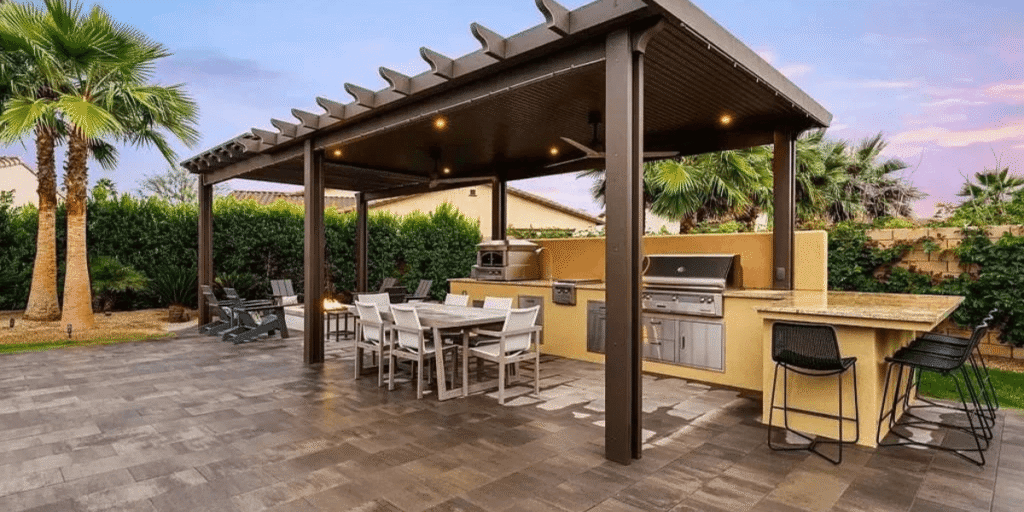
A patio cover plays a big role in outdoor comfort and protection. It shields spaces from strong sunlight, rain, and seasonal changes while adding structure and style to a backyard. Choosing the right materials matters because it directly affects strength, maintenance needs, and long-term performance. A well-planned decision helps homeowners avoid frequent repairs and keeps outdoor spaces functional for years.
Understanding different material options, how they perform in local weather, and how they fit into a home design makes the selection process easier. This guide explains what to look for when choosing durable patio cover materials and how each option impacts everyday use.
What Makes Patio Cover Materials Durable
Durability depends on how well a material holds up against weather, moisture, and temperature changes. In areas with seasonal rain or strong sun exposure, patio covers need to resist warping, fading, rust, and structural weakening.
Good materials for patio covers usually share a few traits:
- Resistance to moisture damage
- Stability under heat and cold changes
- Low risk of cracking or bending
- Long-term structural strength
When reviewing patio cover materials, it is important to consider both appearance and performance. A material may look attractive but still require frequent maintenance if it is not suited for outdoor conditions.
Durability also depends on installation quality. Even strong materials can fail early if not installed correctly, so pairing material choice with skilled construction is important.
Common Material Options for Patio Covers
Different materials offer different benefits, and each one suits specific needs and budgets. Understanding these helps narrow down the right choice for a backyard setup.
- Aluminum Patio Covers
Aluminum is widely used because it is lightweight and resistant to rust. It performs well in wet and dry conditions and requires very little maintenance. It is often chosen for modern designs where clean lines and long-term reliability matter. Aluminum also reflects sunlight, which helps reduce heat buildup under the cover. This makes outdoor spaces more comfortable during warmer months.
- Wood Patio Covers
Wood offers an organic appearance that integrates nicely with gardens and classic home designs. Cedar and redwood are common choices because they resist decay better than standard lumber. Wood requires more maintenance, including sealing and occasional refinishing. However, many homeowners choose it for its warm and classic appearance.
- Vinyl and Composite Options
Vinyl and composite materials offer a balance between durability and maintenance. They resist moisture and do not require painting or staining. These materials are often used in modern backyard designs that prioritize convenience. Each of these options influences the overall outcome of the best patio covers, especially when matching style with long-term performance.
How Climate Affects Material Selection
Weather conditions play a major role in how patio covers perform over time. Sun exposure, rainfall, humidity, and wind all influence material choice.
In wet climates, moisture-resistant materials like aluminum or vinyl perform better. In sunny areas, heat-resistant coatings and UV protection become more important.
Temperature changes also matter. Materials that expand and contract too much may weaken over time. Choosing stable materials reduces the risk of cracking or loosening joints. Proper drainage design also supports durability by preventing water buildup on top of the structure.
Comparing Strength and Maintenance Needs
Every material comes with different maintenance requirements. Some need regular care while others are nearly maintenance-free.
Wood requires sealing and inspection to prevent rot and insect damage. Aluminum requires occasional cleaning but remains structurally stable for many years. Vinyl typically needs simple washing to maintain its appearance.
When selecting the best material for a patio cover, it is important to balance upkeep with expected lifespan. Lower maintenance options often provide better long-term convenience, especially for busy households.
Design Integration and Backyard Style
An A-frame patio cover should match the overall design of the home and outdoor space. Material selection affects how well the structure blends with decks, landscaping, and other outdoor features.
For example, homeowners planning full yard improvements sometimes coordinate fencing and patio upgrades together. In many projects involving hog wire fencing, material selection is carefully matched so the patio cover and fencing share a consistent design style. Contact Sunno Construction to get started with a professional hog-wire fence installation in Portland tailored to your outdoor space.
Structural Support and Installation Quality
Even the strongest material needs proper support. Posts, beams, and anchors must be selected based on the weight and type of patio cover being installed.
Aluminum structures may require less support weight but still need secure anchoring. Wood structures often require stronger framing due to material weight. Composite systems depend on manufacturer guidelines for safe installation. Professional installation ensures that materials perform as expected. Poor alignment or weak anchoring can reduce lifespan regardless of material quality.
Cost Versus Long-Term Value
Material choice affects both upfront investment and long-term value. Certain materials might need more upkeep, but provide a lower initial cost. Others may cost more initially but provide reduced maintenance and a longer lifespan.
Thinking in terms of long-term value helps homeowners avoid repeated repair or replacement costs. A durable patio cover should provide comfort, protection, and stability for many years without major upkeep. This balance is important when comparing options for the best patio covers that suit both budget and long-term expectations.
Making the Final Decision
Selecting patio cover materials involves balancing durability, maintenance, appearance, and climate suitability. No single option works for every home, so careful comparison is important.
Aluminum provides long-lasting performance with low maintenance. Wood offers natural beauty with higher upkeep. Vinyl and composite materials offer convenience with balanced durability. A thoughtful approach ensures the patio cover remains strong and functional for years.
Conclusion
Choosing appropriate materials is essential for a long-lasting patio cover. By understanding weather conditions, maintenance needs, design preferences, and structural strength, homeowners can make informed decisions that improve outdoor living spaces. A well-chosen material not only enhances appearance but also ensures long-lasting performance and comfort.As experienced outdoor living contractors, Sunno Construction specializes in patios, fencing, and custom outdoor structures built for long-term durability. Start planning your next backyard improvement project.

