
Wood Fence From
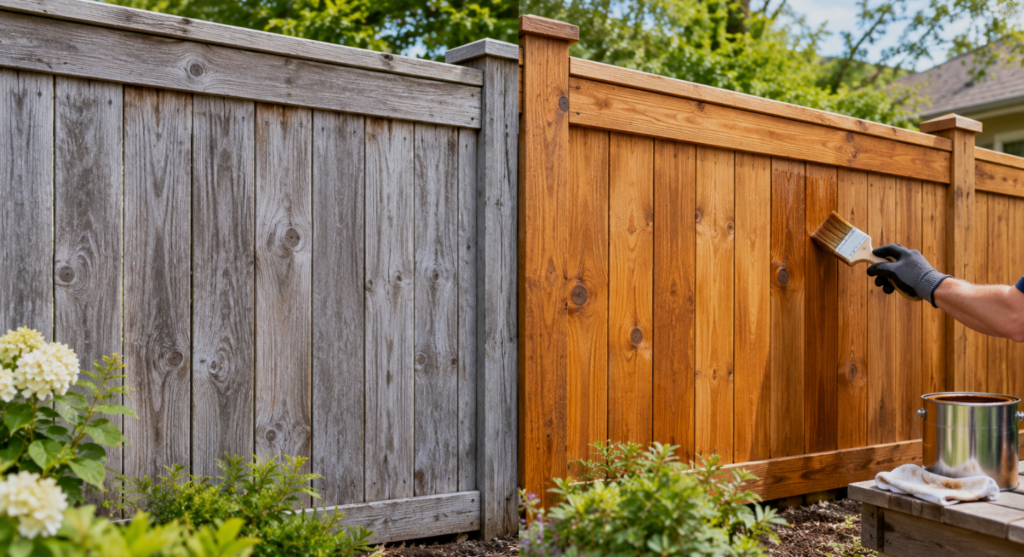
A brand new wood fence looks warm, rich, and full of character. Give it a year or two outside, though, and that same fence often turns a dull, silvery gray. This is one of the most common questions homeowners ask once they notice their fence losing its original color. The good news is that graying is completely normal, and it can be slowed down or even reversed with the right care.
This guide breaks down why wood fences change color, how to stop a wood fence from turning gray, and what steps actually make a difference over time.
What Causes Wood Fences to Turn Gray
Wood is a natural material, and like most things exposed to the outdoors, it reacts to sunlight, moisture, and air. Understanding the root cause makes it much easier to prevent or slow down the graying process.
- Sun Exposure and UV Rays
Ultraviolet light breaks down lignin, which is the natural compound that gives wood its color and structural strength. Once lignin starts breaking down, the wood fibers on the surface lose their original tone and begin to fade into a grayish shade. Fences that sit in full sun for most of the day tend to gray faster than those in shaded yards.
- Moisture and Weather Cycles
Rain, snow, humidity, and dew all add moisture to wood fibers. As the wood repeatedly absorbs and releases water, tiny cracks form on the surface. These cracks trap dust, pollen, and mildew spores, which contribute to a grayish or dingy look over time.
- Mildew and Mold Growth
In humid climates, mildew spores settle into the wood grain and grow on the surface. This growth often looks like gray or black discoloration and can spread quickly if the fence stays damp for long periods without proper airflow or sunlight to dry it out.
- Lack of Protective Finish
Untreated wood has no barrier against the elements. Without a sealant, stain, or protective coating, the wood is left completely exposed to sun and rain, which speeds up the graying process significantly.
Why Does Cedar Fence Turn Gray
Cedar ranks among the most favored options for fencing due to its inherent ability to resist rot and insects. Even so, cedar is not immune to color change. Cedar fences often start out with a warm reddish-brown tone, and many homeowners are surprised when that color begins to fade within the first year.
The reason cedar fences turn gray comes down to the same UV exposure and moisture cycles that affect any untreated wood. Cedar contains natural oils that offer some resistance to decay, but those oils do not block UV rays. Once the surface layer is exposed long enough, the wood fibers oxidize, and the silvery gray patina appears. This is a cosmetic change rather than a sign of damage, but it does mean the wood no longer has the same level of surface protection it started with.
How to Keep Wood Fence from Turning Gray
Preventing gray discoloration comes down to consistent maintenance and choosing the right products. Below are the most effective methods.
- Apply a UV-Protective Sealant
A sealant with UV blockers is one of the most reliable ways to slow down color change. These products form a protective layer on the wood surface that reflects harmful rays before they can break down the lignin underneath. Sealants should be reapplied every one to three years depending on climate and sun exposure.
- Use a Semi-Transparent or Solid Stain
Stains do more than add color. They penetrate the wood grain and provide a barrier against both UV rays and moisture. Semi-transparent stains let the natural wood grain show through while still offering protection, while solid stains provide heavier coverage and a longer-lasting finish.
- Clean the Fence Regularly
Dirt, pollen, and mildew buildup accelerate graying because they trap moisture against the wood. A simple wash with a mild wood cleaner and a soft brush, done once or twice a year, removes this buildup and helps any protective coating perform better.
- Reapply Finish on a Schedule
Even the best sealants and stains wear down over time. Setting a reminder to inspect and refinish the fence every couple of years keeps the protective layer intact before graying has a chance to set in.
- Consider Professional Application
Getting an even, long-lasting finish takes the right technique and product knowledge. Many homeowners bring in cedar fence installers from Sunno Construction to handle staining and sealing correctly the first time, which helps avoid uneven color, drips, or missed spots that can lead to patchy graying later.
Comparing Ways to Stop Wood Fence from Graying
The table below compares common prevention methods so homeowners can decide which option fits their fence and budget.
| Method | Protection Level | Reapplication Frequency | Natural Wood Look |
|---|---|---|---|
| UV Sealant | Moderate | Every 1 to 2 years | Yes, fully visible |
| Semi-Transparent Stain | High | Every 2 to 3 years | Yes, grain still shows |
| Solid Stain | Very High | Every 3 to 5 years | No, color is opaque |
| Regular Cleaning Only | Low | Every 6 to 12 months | Yes |
| No Treatment | None | Not applicable | Grays within 1 to 2 years |
Restoring a Fence That Has Already Turned Gray
If the fence has already grayed, the wood is not damaged, just faded. A wood brightener or oxalic acid cleaner can lift the gray tone and reveal a fresher color underneath. Once the fence is cleaned and dry, applying a stain or sealant locks in that restored appearance and helps prevent the cycle from repeating.
Alternatives Worth Considering
Some homeowners decide that ongoing maintenance is not the right fit for their lifestyle. In these cases, switching to a low-maintenance material is worth thinking about. Homeowners looking at a vinyl fence, for example, often make the switch specifically to avoid the yearly upkeep that wood requires, since vinyl does not gray, rot, or need refinishing.
Frequently Asked Questions
- How Long Does It Take For A Wood Fence To Turn Gray?
Most untreated wood fences start showing noticeable graying within six months to a year, depending on sun exposure and local weather. In areas with intense sun or high humidity, the change can happen even faster.
- Can A Gray Wood Fence Be Restored To Its Original Color?
Yes. A wood brightener or cleaner designed for outdoor wood can lift the gray tone and bring back much of the original color. Once the surface is clean and fully dry, applying a stain or sealant helps the restored look last longer.
- Is A Gray Wood Fence A Sign Of Damage?
No, graying is mostly a cosmetic change caused by sun and moisture, not a sign that the wood is rotting or structurally weak. That said, leaving a fence untreated for too long can eventually lead to cracking or splitting, so some maintenance is still recommended.
Bottom Line
A gray fence is not a sign that something has gone wrong. It is simply the natural result of sun, moisture, and time working on an untreated surface. With a consistent cleaning and finishing routine, wood fences can hold onto their original color for years longer than they would without any care at all. If the goal is prevention or restoration, the right products and a bit of regular attention make all the difference.
For homeowners who want to keep that natural wood look, Sunno Construction offers professional cleaning, staining, and sealing services that help fences resist graying for years to come. For those who would rather skip the upkeep altogether, our team also installs vinyl fences in Portland properties, giving homeowners a durable, low-maintenance alternative that never needs refinishing.

