
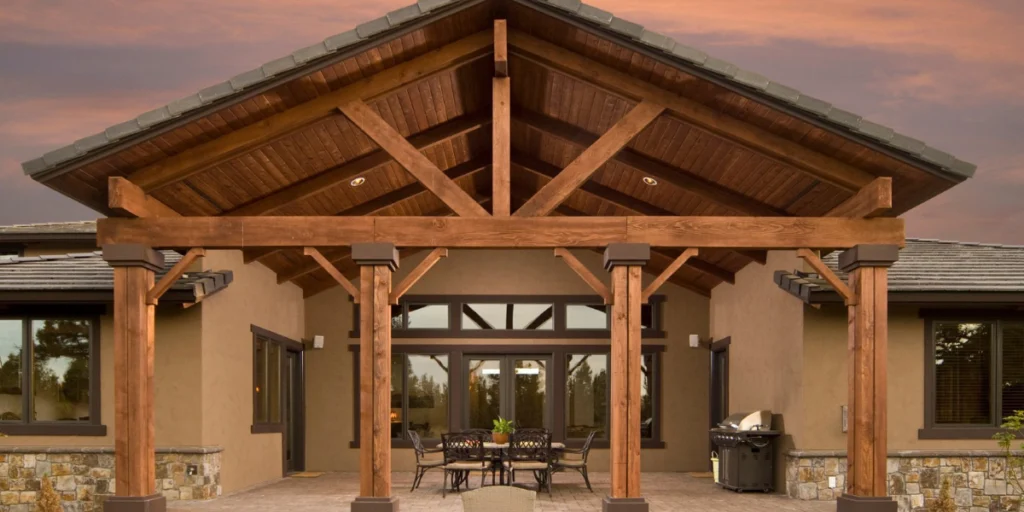
Adding a patio cover is one of the most impactful ways to improve a backyard space. In Portland, homeowners often consider patio covers as part of their backyard patio upgrades because covers protect outdoor furniture, provide shade in summer, and keep rain at bay during cloudy months. Planning for a new patio cover usually starts with understanding the patio cover installation cost. While the word cost might get attention first, it makes sense to look closely at what influences cost so that expectations are realistic and planning stays stress-free.
There is no single number for patio cover pricing. Every project has its own set of decisions, materials, and site conditions. This guide unpacks the major factors that influence installation pricing so that homeowners in Portland can make confident decisions.
Materials Matter Most
The type of material chosen for a patio cover influences durability, appearance, maintenance needs, and performance in Portland’s climate. Materials also affect time on site, which contributes to the overall cost.
Common Material Types
- Aluminum: Strong, moisture-resistant, and low-maintenance
- Wood: Classic look with natural warmth
- Composite: Mixes materials for strength and durability
Aluminum Patio Cover Cost Considerations
One of the most popular material choices in Portland is aluminum. Its resistance to moisture and rot makes it well-suited to a climate with frequent rain. The aluminum patio cover cost depends on the thickness of the metal, finish quality, and protective coatings used. Premium paint systems or baked enamel finishes contribute to longer lifespans and less upkeep, but they also require more skilled labor.
Higher-grade materials often feel more solid and offer better color retention over time. When estimating material choices, homeowners should think about long-term performance in Portland weather.
Wood and Composite Materials
Wood can add a timeless and natural look to a patio cover. Cedar and redwood are common choices for outdoor structures due to their ability to resist decay and mildew. Composite materials blend wood fibers and plastics to create boards that resist warping and require less maintenance than traditional wood. The type, size, and quality of material chosen have a direct effect on final installation pricing.
Finishes and Protective Coatings
Paint, stain, and sealants help protect materials but add time and product needs. A well-sealed and finished surface may last longer and offer more use over time, yet the application of finishes increases labor and material needs.
Other Considerations
Design and Customization
The design of a patio cover impacts cost. Simple gable or lean-to styles often involve fewer materials and less labor than complex designs with angles, slopes, or multiple levels. Expanded roof styles, integrated lighting, and decorative elements all contribute to the cost of a custom patio cover.
Custom designs offer homeowners more control over aesthetics and functionality. Special architectural features, curved beams, or unique roof lines provide a tailored look that matches the home and yard. These design choices influence the materials needed and the time spent on installation. Working with an expert helps set realistic expectations for cost and design outcome.
Combining Patio Covers With Backyard Features
Patio covers work best when integrated with backyard design. Decks, living spaces, outdoor kitchens, and gardens all work together to shape the yard’s function and style. Combination projects often influence planning and pricing.
If you need to install a hog wire fence in Portland, where they are part of a bigger outdoor design, we offer fencing services at affordable quotes for consistent style and quality.
Size and Scope of the Project
The size of a patio cover directly affects installation cost. Larger covers require more materials and more labor to complete. When planning the size, homeowners should think about how the space will be used. Space for seating, dining, outdoor cooking, or storage all influence how large the patio cover should be.
Homeowners might also add skylights, ventilation options, or other features that influence material quantities and installation time. Larger coverage areas often mean more support posts, stronger framing, and additional engineering considerations.
Ground Preparation and Site Conditions
Before installation begins, the existing site must be assessed. Uneven ground, slopes, and landscaping can require preparation work that affects overall cost. In Portland, soil types and yard drainage are important considerations. Site preparation may include leveling ground, clearing vegetation, or adding footings and support bases for stability.
Working on a slope or around existing structures affects the timeline and tools needed for a successful installation. Site complexity adds labor hours, which factors into the final pricing.
Permits and Local Regulations
Many cities, including Portland, require permits for structural additions like patio covers. Permitting ensures that the cover meets building codes, structural safety standards, and setback requirements. Permit fees and the process for obtaining approval are components that influence patio cover installation cost in Portland.
Homeowners should check local building department requirements before starting a project. Permit reviews may include plan checks, inspections, and documentation to confirm compliance with safety codes.
Labor and Professional Installation
Labor is a major element in total cost. Patio cover installation requires skill, precision, and knowledge of local building codes. Many homeowners choose professional installation to reduce risk and ensure quality results.
Experienced teams measure, cut, align, and secure the structure so that it stands strong in wind, rain, and sun. Poor installation can lead to leaks, sagging, or early wear. Professional installers also coordinate inspections and, in some cases, manage permits.
Weather and Climate Effects
Portland’s climate includes rain, sun, and occasional snow. Patio covers must be designed to handle changing weather patterns. Snow loads, wind exposure, and long-term sun impact influence structural requirements and materials. Strong framing and proper drainage systems improve performance over time.
Materials that resist corrosion and moisture stand up better in humid or rainy conditions. Anchorage and flashing details influence how well a cover resists weather challenges.
Maintenance and Lifespan
Long-term care matters. Some materials require occasional cleaning and touch-up. Others stay low-maintenance for years. A patio cover installed with high-quality materials lasts longer and resists warping, rust, or fading. Planning for maintenance needs helps homeowners understand the real value of what they are investing in.
Conclusion
Planning for a patio cover involves more than picking a style. Recognizing how material choices, site preparation, permits, seasonal timing, and additional features influence the patio cover installation cost in Portland helps homeowners make better decisions. By thinking ahead and considering all key components described in this guide, families gain confidence and clarity as they improve outdoor living spaces.
We provide professional design and installation services to support backyard patio upgrades that fit your property and lifestyle. Contact us today to discuss options and begin planning your project with experienced outdoor living contractors!

