
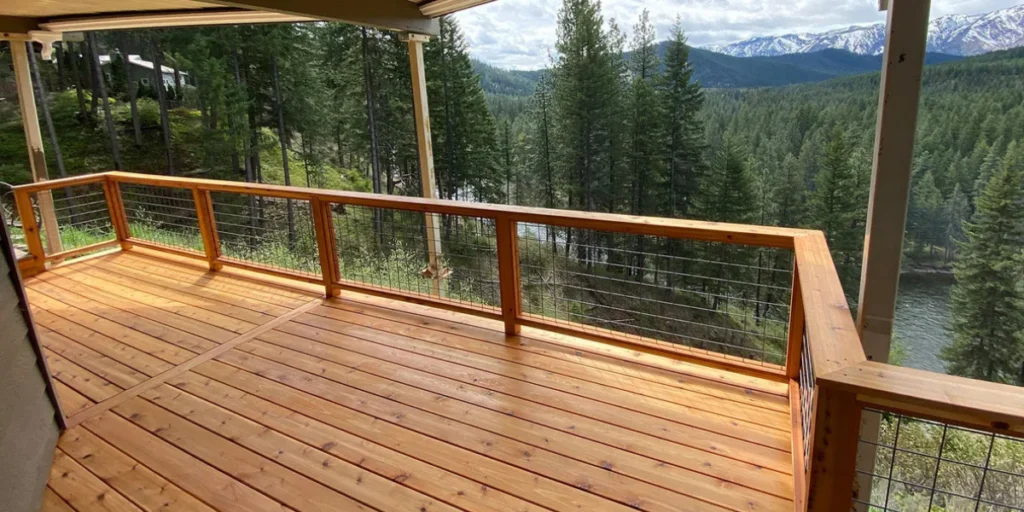
A wooden deck can go from looking great to looking neglected faster than most people expect. The sun fades the finish, moisture seeps into the wood, and before long, small issues turn into costly repairs. Most of that damage is avoidable. This wooden deck maintenance guide covers the practical steps that keep your deck strong, safe, and good-looking year after year.
Why Deck Maintenance Matters
Many homeowners put effort into building a great deck but then overlook the care it needs afterward. That is when problems start to creep in.
Wood is a natural material that reacts to its surroundings. Rain causes swelling, the sun dries and fades the surface, and humidity invites mold. Over time, these factors chip away at even the sturdiest deck. With proper care, untreated wood decks can last up to 30 years, while treated wood can hold up for as long as 50 years. The difference mostly comes down to how well you take care of it.
Regular maintenance also helps you catch small problems before they become expensive repairs.
Step-by-Step Method For Deck Cleaning and Maintenance
Cleaning and maintenance go hand in hand. You cannot protect a dirty deck, nor can you properly inspect one. Here is how to approach the process.
Start with a Thorough Sweep
Begin by clearing everything off your deck. Remove furniture, planters, and rugs. Then sweep away loose leaves, dirt, and debris. Do not forget to clean out the gaps between the boards, too. Debris trapped in those spaces holds moisture and speeds up rot.
Wash the Surface Properly
After sweeping, wash the deck with a deck-safe cleaner mixed with water. Apply it evenly, let it sit for 10 minutes, then scrub with a stiff-bristle brush along the wood grain. Rinse thoroughly with clean water, and avoid chlorine bleach as it can damage treated wood and discolor the surface.
Use a Deck Brightener After Cleaning
This step is one that most people skip. After cleaning, apply a deck brightener, usually made with oxalic acid. It brings the wood back to its natural pH level and restores that fresh, clean appearance before you apply any finish.
Let the Deck Dry Completely
Before you move on to sealing or staining, give the deck at least 24 to 48 hours to dry fully. Trapping moisture under a sealant leads to mold growth and peeling finishes.
Inspect for Damage While You Wait
Use the drying time to walk the deck and look for issues. Check for:
- Loose or popped nails and screws
- Splinters or rough patches
- Soft spots that may indicate rot
- Boards that are cracked, warped, or discolored
Fix these issues before applying any protective finish. Hammer in loose nails, or better yet, replace them with deck screws. Sand down rough areas with 80-grit sandpaper.
Sealing and Staining Wood Care Tips for Your Deck
Applying a protective finish is one of the most effectivecare tips you can follow. It shields the wood from moisture, UV rays, and general wear.
Choose the Right Product
Stains come in transparent, semi-transparent, and solid options. Transparent shows the grain with minimal protection, while solid gives the most coverage and suits older decks well. For sealers, oil-based products last longer, and water-based ones are easier to apply but need more frequent touch-ups.
Check the Weather Before You Start
Plan to stain or seal when you have at least two consecutive dry days ahead. Make sure temperatures are mild, not too cold and not too hot. Do not apply the finish in direct sunlight, as it dries too quickly and results in an uneven coat.
Apply the Finish Evenly
Use a high-quality brush, roller, or sprayer. Start with the railings and then work across the deck boards, always following the wood grain. Work in small sections so you do not create lap marks. Give the stain enough time to fully set before stepping on the deck or moving furniture back.
Reapply Every Two to Three Years
Most deck finishes need to be refreshed every two to three years, depending on the product and your local weather conditions. To check if your deck is ready, sprinkle a few drops of water on the surface. If the water beads up, it is time to reapply.
Your deck is worth protecting. If it needs repairs, a rebuild, or you are thinking about a new build altogether, we are the best exterior remodeling contractor you need to call. Contact us for a free estimate today!
How to Extend the Wood Life of Your Deck Through Seasonal Care?
Your deck faces different challenges in each season. Adjusting your care routine throughout the year is a smart way to extend its life.
Spring: Inspect and Refresh
Spring is the best time for a deep clean and inspection after the wet winter months. Look for cracks, loose fasteners, and areas where water may have pooled. This is also the ideal time to re-stain or reseal if the previous coat has worn down.
Summer: Keep Up with Weekly Maintenance
During summer, focus on regular sweeping and quick spot cleaning. Clean up grill grease and food spills immediately to prevent permanent staining. If your deck gets heavy sun exposure, a UV-protective finish helps slow down fading and drying.
Fall: Prepare for the Cold
Remove leaves as they fall, as they can trap moisture and lead to mildew. Clear out any debris under the deck that might block drainage. Fall is also a good time to apply a water-repellent finish before winter sets in.
Winter: Protect Against Ice and Snow
Use a plastic or rubber-edged shovel to clear snow. Metal shovels scratch the wood surface. Sweep off accumulated snow quickly to prevent it from turning to ice and causing moisture damage. Remove furniture and heavy planters that could trap dampness against the wood.
Smart Habits That Protect Your Deck Year-Round
Beyond the seasonal routine, a few simple habits go a long way in keeping your deck in great shape.
- Put soft pads under your furniture legs so they do not scratch or dig into the wood.
- Use planter stands to lift pots off the surface and allow airflow underneath.
- Keep gutters clear so water runoff does not spill directly onto the deck.
- Trim back overhanging branches to reduce debris and help the deck dry faster after rain.
- Check for sawdust piles, hollow-sounding boards, or tiny tunnels in the wood, as these are early signs of termite or carpenter ant damage.
When to Call in a Professional
Some maintenance tasks are well within DIY range, but others really call for professional help. If you notice soft, spongy boards that suggest deep rot, structural issues with the joists or posts beneath the deck, or widespread damage that affects multiple areas at once, it is time to bring in an expert.
Professionals have the right tools and experience to assess the full condition of your deck and handle repairs that go beyond surface-level fixes. A professional inspection once a year, even if you handle the cleaning yourself, is a smart investment.
Conclusion
The longer you put off deck care, the more it costs you later, in time, money, and a deck that could have lasted decades. When you commit to simple, consistent steps, including regular deck cleaning and maintenance, seasonal care, and protective finishes, it becomes a natural part of your home routine.
A little attention now saves you from major repairs later. Your deck is an extension of your home and the way you enjoy your outdoor space. Treat it well, and it will serve you well for many years to come.
Give your outdoor space more than just a deck. Our skylift patio cover adds shade, airflow, and year-round comfort. Contact us now and turn your outdoor space into something worth stepping outside for!

