
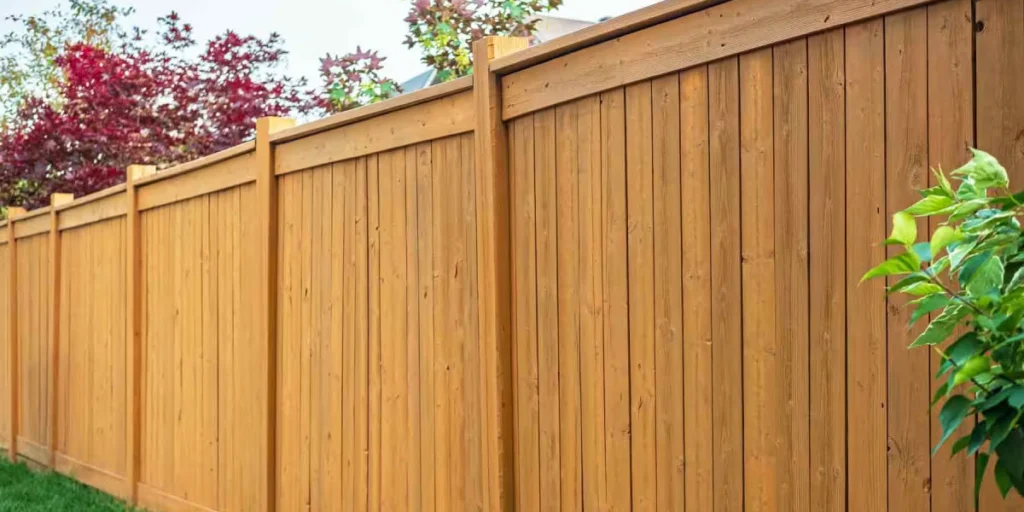
Selecting the correct fence height is a key part of any backyard project. A fence impacts privacy, safety, style, and even local compliance. Too short and it may not give the protection needed. Too tall, and it might not meet local rules. This fence height guide helps homeowners understand everything needed to pick the height that works best for their yard and lifestyle. With clear explanations about standard heights, privacy needs, setbacks, and regulations, this guide answers common questions and reduces stress when planning a fence.
This guide is focused on real-world decisions for homeowners in the United States. Fence height matters because it affects comfort, use, and long-term satisfaction with the space around your home.
The Basics of Standard Fence Height
There are common reference points that contractors and building departments use when discussing fence height. A standard fence height for many yards is often around 6 feet tall. This height provides privacy from neighbors and blocks most sight lines into backyards.
Front yard fences usually have shorter height limits, often around 3 to 4 feet. This allows visibility from the street while marking property lines. These general heights help homeowners start planning basic designs.
Understanding what is usually accepted in typical zoning rules prevents problems later during installation.
Common Backyard Fence Heights
Homeowners choose fence heights based on use and style. Some common fence heights include:
- 3 feet: Often used for front yard definition and low boundaries
- 4 feet: Works for decorative fences or pet boundaries
- 5 feet: Adds more privacy while keeping a modest look
- 6 feet: Most common choice for privacy and security
- 8 feet: Used in specific areas for high privacy or special needs
These heights are not fixed in every city. Rules depend on local codes and neighborhood standards. It helps to check local guidelines before finalizing a plan.
How to Measure Fence Height?
Accurate measurement is key. Fence height is usually measured from the ground up at the highest point of the post. Uneven ground may affect height at different points. Contractors often recommend consistent ground-level measurement to keep panels even and correct. This helps the fence look finished and professional across the yard.
Professional Installation and Support
Installing a fence correctly matters for stability and long-term performance. Poor installation leads to leaning panels and sagging over time. Professional help makes a big difference. Working with us, an exterior remodeling contractor, ensures that proper measurements, materials, and posts are used. We can guide homeowners through local rules, material selection, and installation techniques. Professional fence installation supports a smooth process from start to finish.
Fence Height Regulations and Local Codes
Local rules are a major part of planning for the right fence height. Fence height regulations vary by city, county, and homeowner association. These rules define how tall a fence can be in different parts of the yard.
Common points in regulations include:
- Maximum height for front yards
- Maximum height for rear yards
- Height near driveways and corners
- Setback requirements from property lines
Homeowners must review city codes or consult with the permit office before building. Failing to follow regulations can lead to fines or mandatory removal of non-compliant sections. Front yard height limits are often lower to maintain visibility for traffic and neighbors. Backyards tend to allow taller fences, but every community is different.
Why Fence Height Matters
Fence height is not just a measurement on a plan. It makes a big difference in function. Choosing the right height affects:
- How much privacy is provided?
- How effectively are pets and children contained?
- How does a fence look in the yard?
- How does the fence fit with neighborhood rules?
Setting clear goals for privacy, security, and design helps narrow down height choices early in the planning process.
Privacy Fence Height and Backyard Use
One of the top reasons for a new fence is privacy. A privacy fence height tends to be higher than basic boundary fences. A 6-foot fence often blocks sight lines from neighbors and provides a quiet space for family, pets, or evening gatherings.
Some homeowners choose 7 or 8-foot-tall panels when the yard backs up to busy streets or tall multi-story homes. Higher fences block noise and increase comfort in outdoor areas. Tall panels work well for spaces where people gather frequently.
Before choosing a privacy height above 6 feet, it is important to confirm local rules. Many towns restrict maximum height, especially near property lines or public walkways.
Safety, Visibility, and Pet Considerations
Safety matters in fence planning. A fence must contain pets and children comfortably. Dogs that jump or climb may require taller panels. Smaller animals may benefit from buried mesh or additional barriers. Tall fences that block sight lines should still allow safe visibility at driveways and access points. A well-planned fence balances privacy and safety without creating blind spots.
Setting Your Goals First
Before choosing a height, define what the fence needs to do. Ask:
- Is privacy the top priority?
- Are pets being contained?
- Should neighbors see into the yard?
- Does design match home style?
Checking HOA Rules
Homeowner Associations often have their own specifications for fence height and style. These covenants may be stricter than city regulations. Reviewing HOA documents before planning prevents delays later on. Some HOAs allow decorative fencing up front and taller privacy fencing in the back. Others keep all fencing a consistent style and height. Knowing association rules makes the process smoother.
Conclusion
Fence height affects more than looks. It impacts privacy, safety, pets, and compliance with local rules. By using a clear guide and checking fence height regulations first, homeowners avoid common mistakes and enjoy better outdoor living year-round.
We can help with planning, design, and installation. Professional service makes sure the final fence fits the yard and local requirements. Our team provides expert fence planning and installation that matches yard goals and community regulations. Contact us to discuss fence height options, material choices, and a custom design that suits your property. Enhance your outdoor space further with a skylift patio cover for added comfort and style.

