
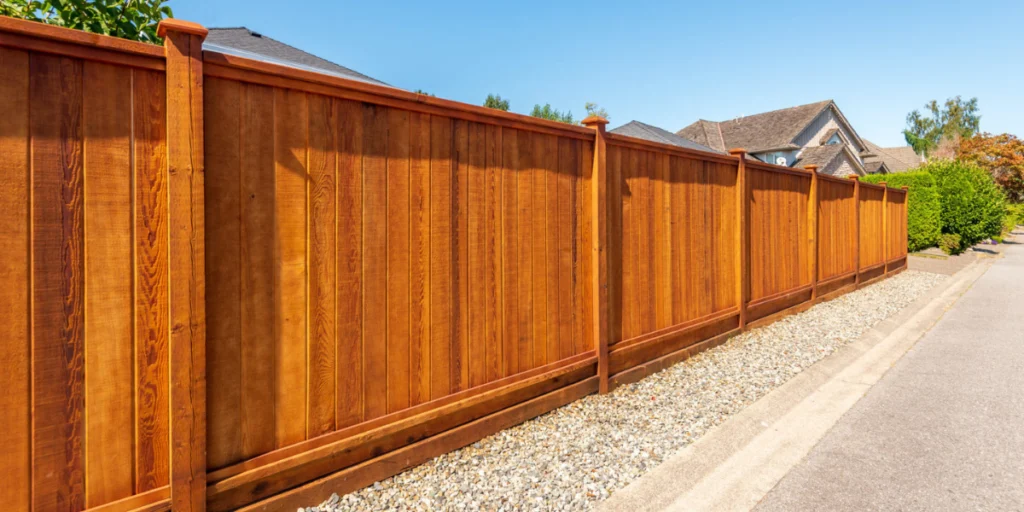
A wood fence does a lot of work. It gives you privacy, adds curb appeal, and defines your property. But here is the thing: the lumber you pick at the start will determine how long your fence lasts and how much you spend keeping it up over the years.
Get the wood right, and your fence will stand strong for decades. Get it wrong, and you will be dealing with rot, warping, and costly repairs sooner than you expect. This wood fence lumber guide covers the most popular lumber options, what each one does well, and where each one falls short, so you go into your project knowing exactly what to expect.
Why the Right Lumber Matters
Wood fencing is a real investment. The type of lumber you choose affects not just how your fence looks on day one, but how it holds up through rain, sun, heat, and cold year after year.
Some woods handle moisture naturally. Others need chemical help. Some cost more upfront but save you money in the long term. And some are perfect for one climate but struggle in another. Knowing these differences before you buy is key.
The Top Types of Lumber for Wood Fencing
Here is a breakdown of the most widely used wood types for fencing, and what makes each one worth considering.
Western Red Cedar
Western Red Cedar is the most commonly used premium fence wood in the United States. It has natural oils in its heartwood that repel moisture and insects, eliminating the need for chemical treatment.
Cedar is also light, stable, and easy to work with. It holds its shape well through shifting temperatures and humidity levels, making it a solid pick where seasonal weather puts wood to the test.
Redwood
Redwood is a premium option, especially popular on the West Coast. The density of its grain and its natural tannin content work together to keep rot, decay, and insects at bay.
It is one of the most durable choices available and can hold its shape beautifully for decades. The trade-off is the cost. Redwood tends to be significantly more expensive, and outside of Northern California, it can be harder to source.
Pressure-Treated Pine
Pressure-treated pine is the most widely installed fence wood by volume in the country. The chemical treatment process pushes copper-based preservatives deep into the wood fibers, protecting it against rot, fungi, and termites.
It costs 30 to 40 percent less than cedar upfront, which makes it appealing for large fencing projects. It does require more maintenance over time, and left unsealed, it is more likely to show signs of wear like splitting and distortion.
Douglas Fir
Douglas Fir is a sturdy wood with decent natural protection against rot and deterioration. It is a dependable, cost-effective option that holds up well in many climates.
It does not have the same natural resistance to rot as cedar or redwood, so regular sealing and staining are important. Still, it is a solid performer, widely available, and easy to paint or stain.
Cypress
Cypress contains a natural preservative oil called cypressene that gives it good resistance to insects and decay. It is especially popular in the southeastern United States, where humidity and heat can be tough on other wood types.
Cypress has a fine grain and a clean appearance that many homeowners find attractive. It holds paint and stain well, making it a flexible choice for different fence styles.
How Each Wood Type Holds Up Over Time
Durability is one of the most important factors when choosing the best lumber for fencing, and each wood type has its own performance profile.
Lifespan Comparison
Cedar typically lasts 15 to 30 years with proper care, and treated cedar can push past 40 years. Redwood performs similarly and often outlasts cedar in wet or coastal environments.
Pressure-treated pine can also reach 40 years when well-maintained, though it tends to show surface cracks and warping earlier than cedar if left unsealed.
Moisture and Climate Performance
In wet, humid, or coastal areas, redwood and cedar are your best options because they naturally resist moisture. In dry climates, cedar holds up especially well since it does not expand or contract much with temperature swings.
Pressure-treated pine can absorb water over time and develop surface cracking in high-humidity environments if not regularly sealed.
Resistance to Insects and Rot
Cedar and redwood rely on natural oils and tannins to fight off insects and rot, which makes them low-maintenance in terms of chemical treatments. Pressure-treated pine depends on a copper-based chemical barrier for that same protection.
Always use hot-dipped galvanized or stainless steel hardware with treated wood, as the compounds can corrode standard metal fasteners.
Our outdoor living contractors build fences using the right lumber for your climate, property, and long-term peace of mind. We know how much your fence is expected to handle: the weather, the years, and everything in between. Get your free estimate today!
Fencing Lumber Selection Tips: What to Think About Before You Buy
Making a smart lumber choice comes down to a few practical questions.
- Rainy or coastal climates suit cedar or redwood best. Hot, dry regions suit cedar well. Freeze-thaw areas benefit from cedar’s low risk of warping.
- Pressure-treated pine costs the least upfront, but cedar’s lower maintenance needs often balance out the price gap over time.
- Cedar and redwood need only light sealing every few years. Pressure-treated pine requires more regular maintenance to stay in good condition.
- Use pressure-treated posts even when building a cedar fence. Posts sit in the ground where moisture is constant and are the first part of a fence to fail.
- For cedar and redwood, pick boards with more heartwood — the darker portion — since it carries the natural oils that resist rot and insects.
- Posts going into the ground need lumber rated for ground contact, which has a higher concentration of preservatives than standard above-ground-rated wood.
A Quick Cost Overview
Cost varies by region, fence style, and supplier, but here is a general snapshot to help you plan:
- Pressure-treated pine is the most affordable, typically running $15 to $30 per linear foot installed.
- Cedar usually falls between $25 and $45 per linear foot installed, with Western Red Cedar at the higher end due to its quality.
- Redwood is the most expensive option, generally ranging from $35 to $50 per linear foot installed, and can go higher for premium-grade boards.
Keep in mind that lower upfront costs can mean higher long-term maintenance expenses, so always factor in the total cost of ownership over the life of your fence.
Conclusion
This wood fence lumber guide exists for one reason: to help you go into your fencing project without second-guessing every decision. Cedar is a top all-around pick for its natural durability, beauty, and low-maintenance quality. Pressure-treated pine is a solid, budget-friendly option that performs well when properly maintained. And redwood is the premium choice for homeowners who want a high-end, long-lasting fence in wetter or coastal climates.
Take your time with this decision. Think about your climate, your budget, and how much upkeep you realistically want to take on. The right lumber will give you a fence that looks great and holds up for decades.
Already thinking about expanding your outdoor space beyond the fence? A lean-to patio cover could be the perfect next step; practical, stylish, yet built to last. We specialize in custom outdoor structures designed for real life. Reach out today, and let us bring your outdoor vision to life!

